Learn MLfrom First Principles
We don't promise jobs. We promise understanding
- and that scales further
Not ready to enroll?
Start learning for free.
Check out the official Zero 2 Gradient YouTube channel for deep dives into Math and Machine Learning concepts.
Why Zero 2 Gradient?
Most data science institutes promise everything mathematics, programming, cloud, MLOps, and more. But machine learning is not a checklist of tools.
At its core, ML is built on linear algebra, probability, and optimization. Most programs acknowledge this and then quietly spend weeks on syntax, OOPS, and surface-level tooling, burning valuable time without ever addressing first principles.
Project-heavy curricula optimize for fast implementation and portfolio screenshots, not understanding.
We believe engineers are expected to understand internals, not just run code... We compete on conceptual depth, mathematical clarity, and engineering-level understanding.
One Course.
Two Phases.
Mathematical Intuition
We build your foundation from the ground up using linear algebra, calculus, and probability—the true engines of machine learning.
Classical Algorithms
Connect the math directly to code. We tackle regression, classification, clustering, and optimization without relying on black-box libraries.
Course Breakdown
Whether you're building foundations from scratch or mastering complex internals, Zero to Gradient provides the tools to support every stage of your machine learning journey.
Mathematics for
Machine Learning
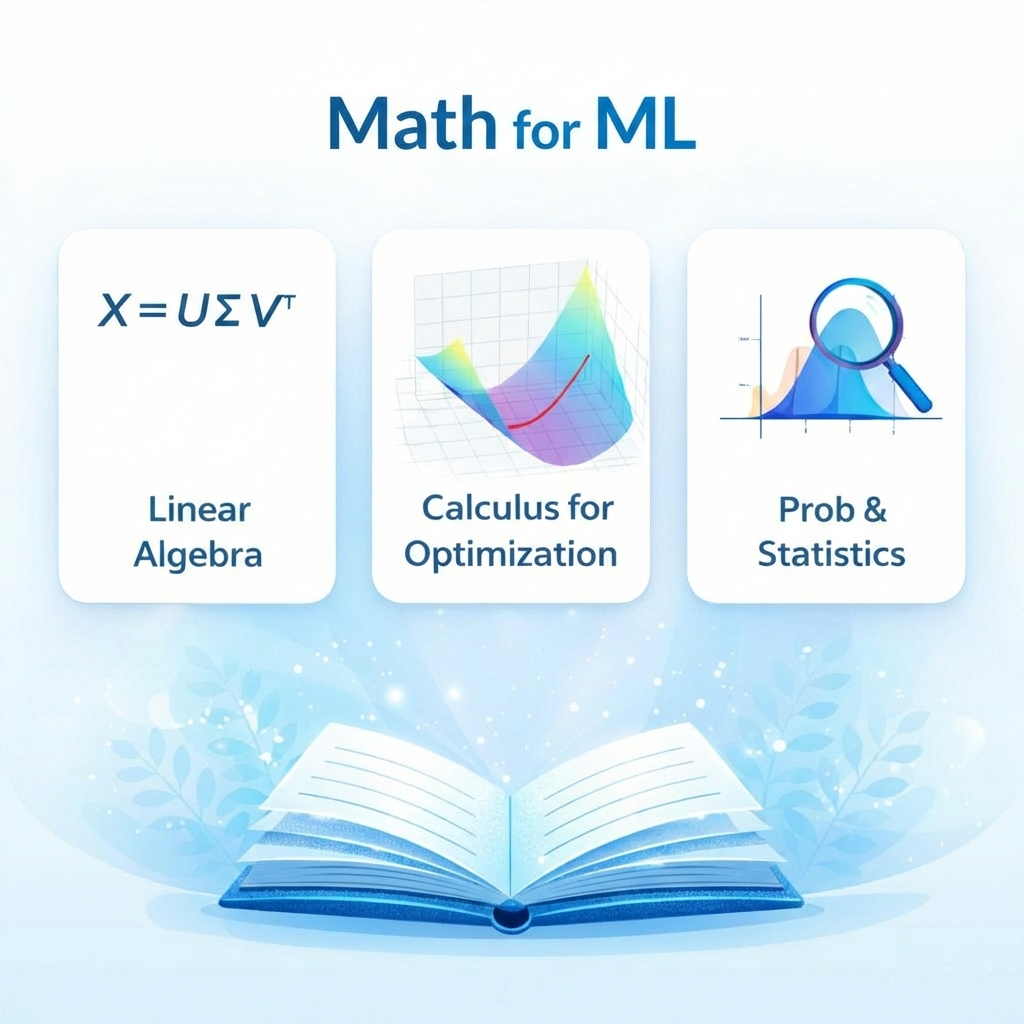
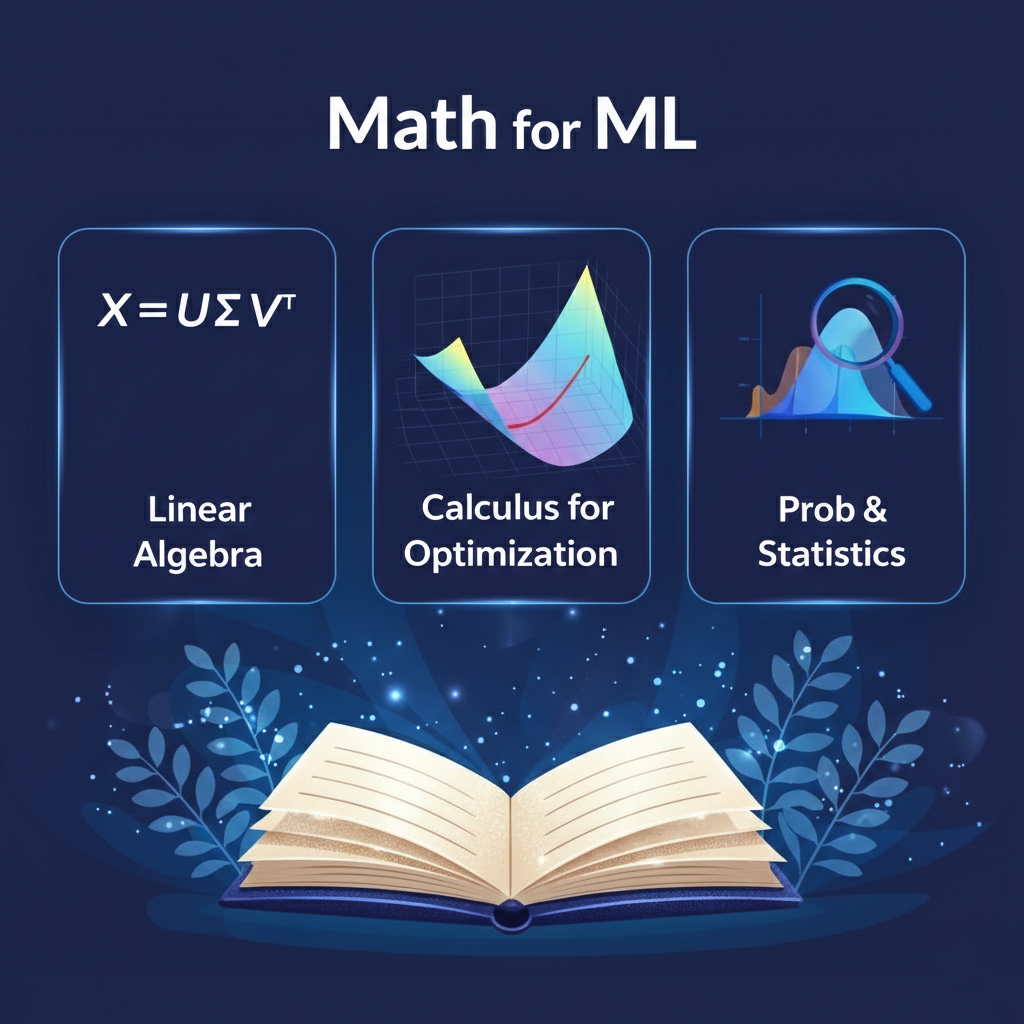
Build the mathematical intuition required to truly understand machine learning models, not just use libraries.
- Single-variable calculus for optimization
- Linear algebra for representations and projections
- Probability and statistics for uncertainty and generalization
- Mathematical intuition behind learning algorithms
Conceptual depth aligned with coursework at leading universities.
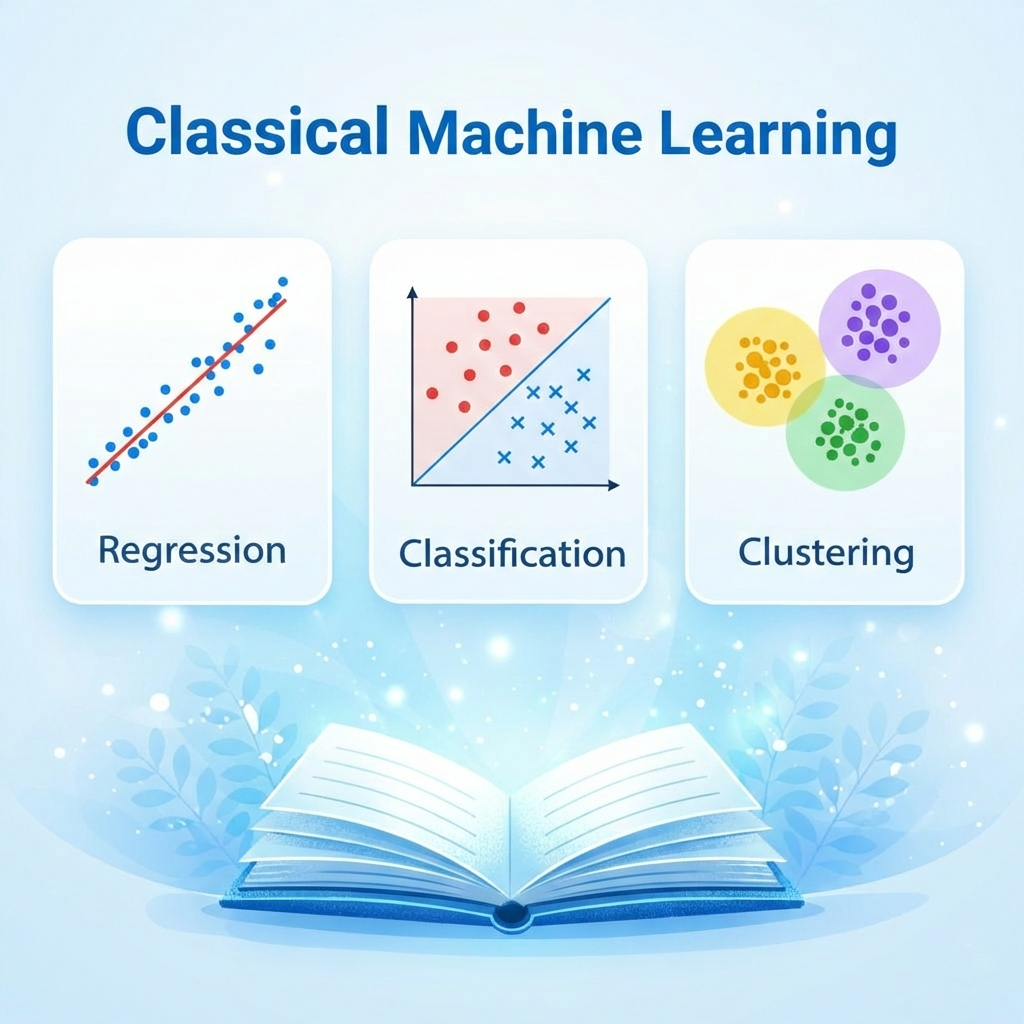
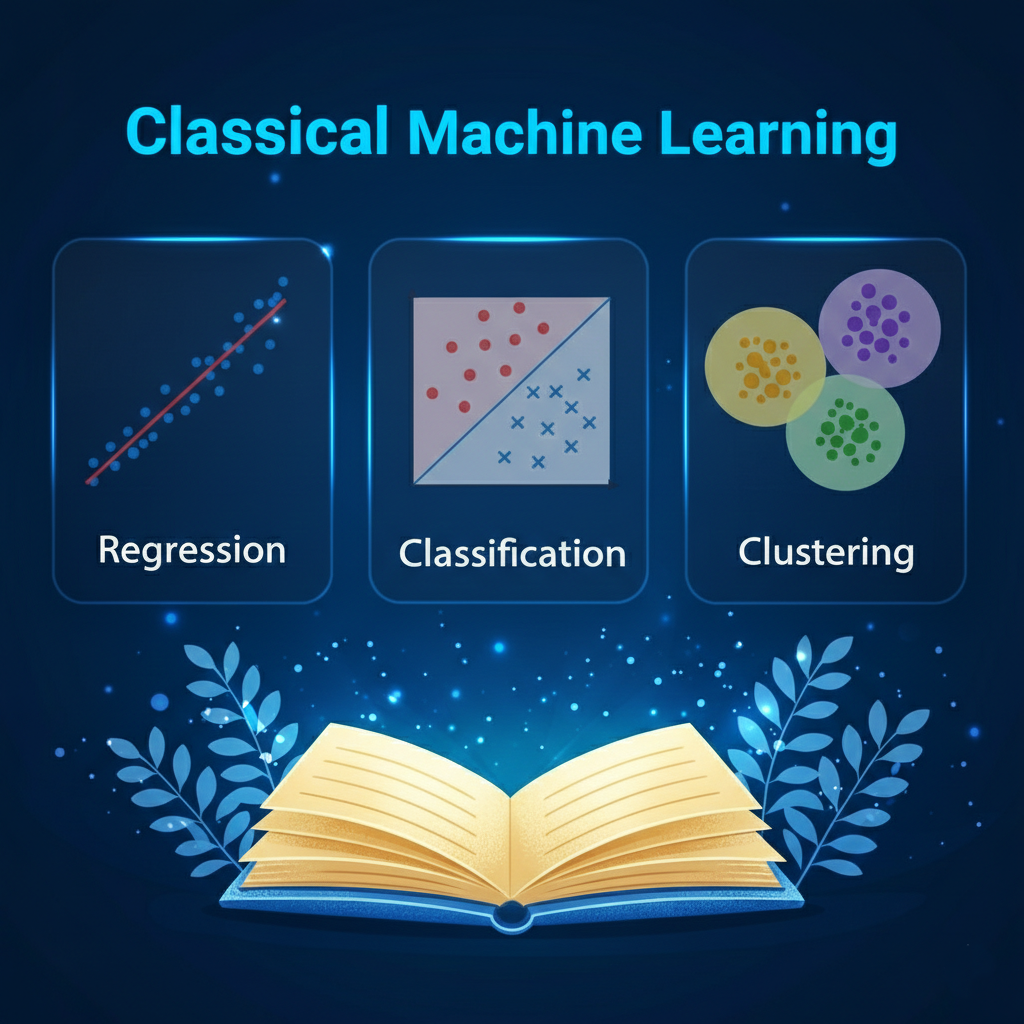
Classical Machine Learning
Theory to intuition to implementation.
Curriculum Overview:
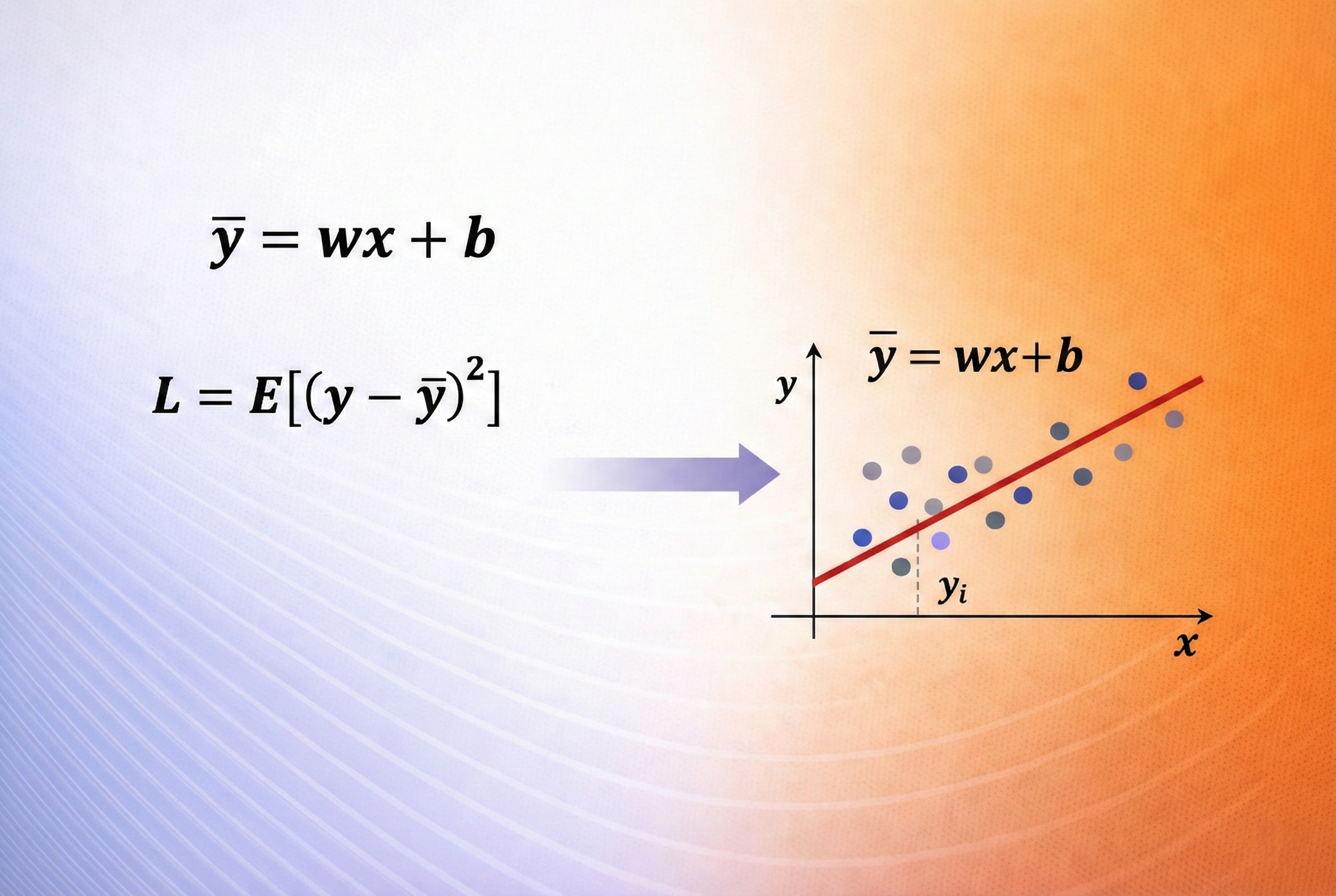
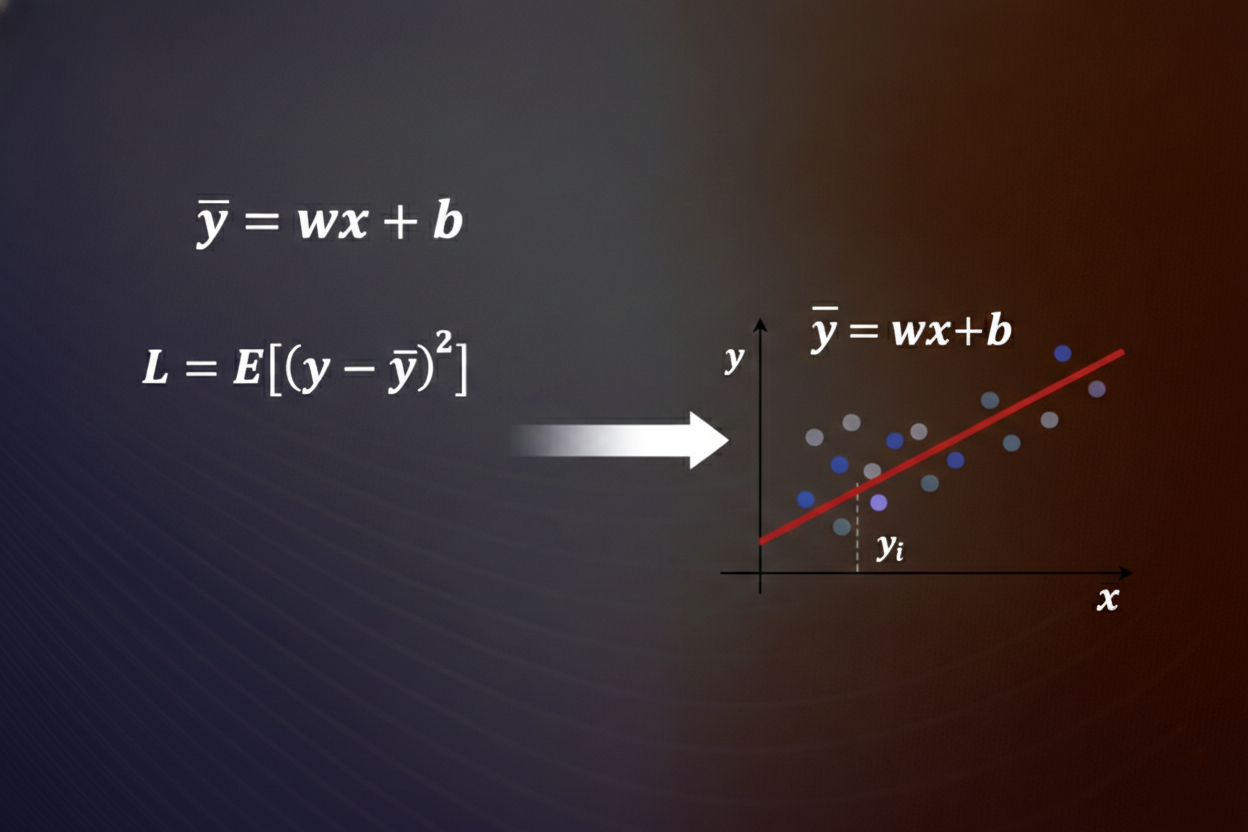
- Problem Formulation in Machine Learning:Supervised learning setup, hypothesis spaces, loss functions, and risk minimization
- Linear Regression:Least squares, geometric interpretation, normal equations, and gradient-based solutions
- Logistic Regression & Classification:Probabilistic view, decision boundaries, and optimization perspective
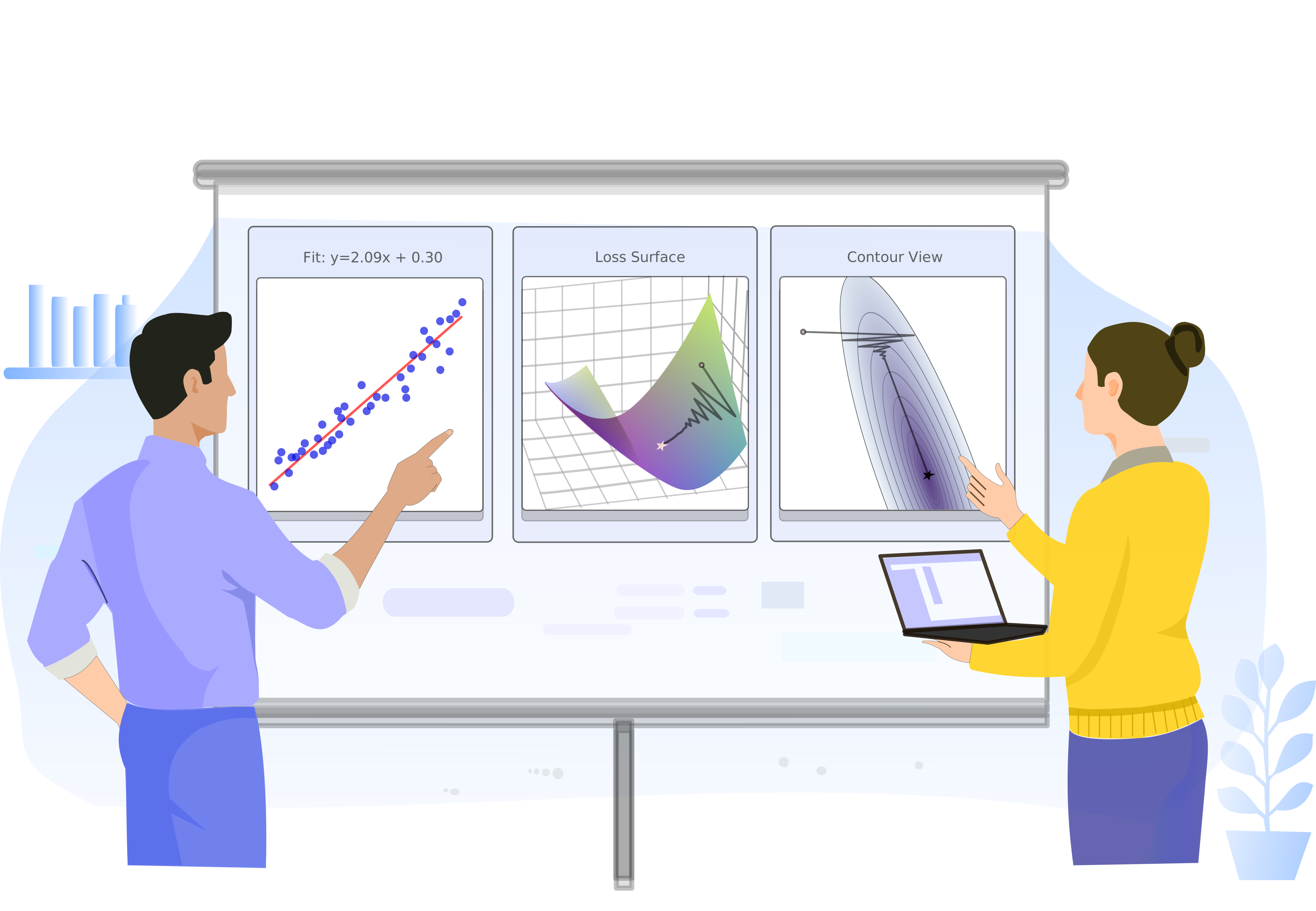
- Convexity & Optimization Basics:Gradient descent, convergence intuition, and failure modes
- Support Vector Machines (SVMs):Margin maximization, regularization, and kernel intuition (conceptual)
- Bias-Variance Tradeoff:Underfitting vs overfitting through model capacity and data assumptions
- Regularization Techniques:L1 vs L2, constraints vs penalties, and their impact on generalization
- Model Evaluation & Generalization:Train/test behavior, cross-validation intuition, and common pitfalls
- From Theory to Implementation:Translating mathematical objectives into clean implementations without hiding behind libraries
Who is this course for?
This course is built for learners who want strong mathematical foundations before diving into machine learning. It is for:
- Aspiring machine learning engineers—who want to understand why algorithms work, not just how to run them.
- Engineering students—this is the best time to build foundations before learning becomes tool-driven.
- Working professionals—who want to restart machine learning from first principles, without hidden gaps.
- GATE DA aspirants—seeking conceptual clarity in linear algebra, probability, and optimization.
- MSc / PhD aspirants—aiming to build serious foundations for research in ML and AI.
If you believe machine learning understanding begins before frameworks and libraries, this course is for you.
Who is this course NOT for?
This course may not be a good fit if you already have a strong, intuitive understanding of:
- Linear Algebra at the level of MIT 18.06
- Calculus at the level of MIT 18.01 & 18.02
- Probability at the level of STAT 110
- Machine Learning theory at the level of CS229
If concepts like least squares, gradient descent, regularization, and generalization already feel second-nature, you may possess the foundations this course focuses on.
Frequently Asked
Questions
Find answers to the most common questions.
Is this course beginner-friendly?
Yes, but not shallow.
You don't need prior ML experience, but you should be willing to think mathematically and conceptually. We start from first principles and build intuition step by step, without assuming exposure to advanced tools or frameworks.
If you're looking for "quick wins" or shortcuts, this may feel slow.
If you want understanding that lasts, this is designed for you.
Will I learn coding and libraries like PyTorch ?
Yes, but code is not the focus.
We use implementation to verify understanding, not replace it.
You'll see how objectives translate into code, but we don't hide ideas behind APIs or library defaults.
If your goal is to memorize syntax, this is not the right course.
If your goal is to understand what the code is doing, it is.
Is this course right for me right now, or should I try placement-guaranteed programs first?
If you believe strong foundations are unnecessary or "overhyped," the only real way to judge is through experience.
Many learners arrive here after spending time and money on shortcut-driven courses that taught tools but not understanding.
Is this course aligned with GATE DA / academic ML?
Yes, conceptually.
The mathematics and machine learning foundations taught here are directly relevant to GATE DA, as well as MSc and PhD preparation. The emphasis is on understanding, not exam tricks, which makes the learning transferable across exams, research, and industry.